

The growing interest in both cannabis and cocaine has brought new conversations to the forefront of societal debates. With the online marketplace expanding rapidly, people now have easier access to various substances, including cocaine. And, they can buy cocaine for sale online. This has raised many questions about their legality, effects, and the risks associated with their use. In this article, we will delve into the complex relationship between cannabis and cocaine, the evolving legality of both substances, and the trends surrounding their use in the modern era.
The Rise of Cannabis Use and Its Legalization
Cannabis, also known as marijuana, has been a significant part of the global drug market for centuries. While it was once criminalized in most countries, the shift toward legalization has gained momentum in recent years. In places like Canada and many U.S. states, cannabis is now legal for medicinal and recreational use. This change in law is largely due to growing recognition of cannabis’s potential health benefits, such as pain relief, anxiety reduction, and its potential to treat conditions like epilepsy and multiple sclerosis.
The cannabis market has exploded, and as such, it has been widely available in various forms, including dried flower, edibles, oils, and even vapes. Its increased availability has made it easier for consumers to access cannabis safely through licensed dispensaries. Despite its growing acceptance, cannabis remains illegal in many parts of the world. Therefore, while some people may legally obtain cannabis, others still face legal challenges for possession and use.
The Rise of Cocaine and Its Online Accessibility
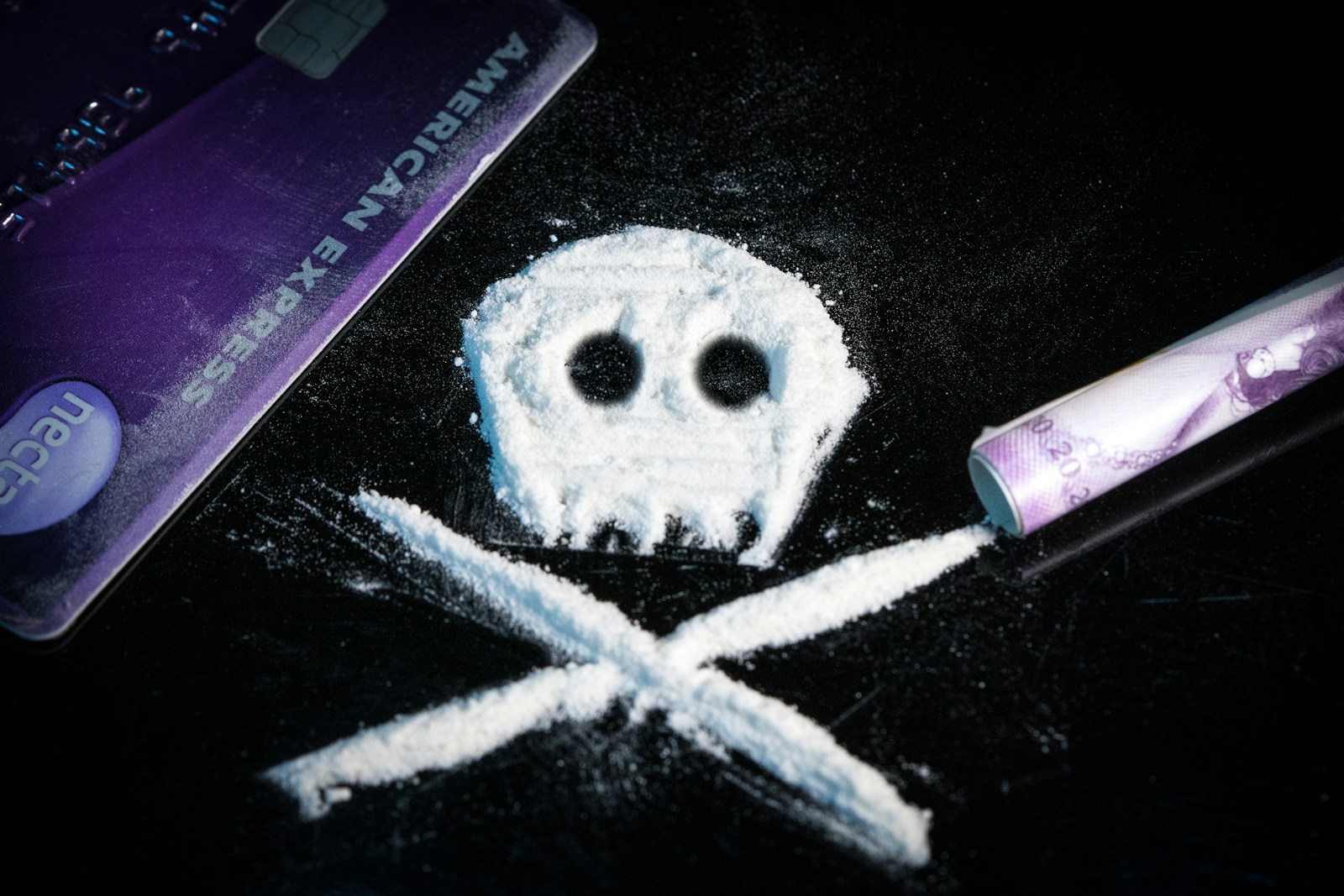
In contrast to cannabis, cocaine has a much more complex history. Cocaine is a potent stimulant derived from the leaves of the coca plant and has long been associated with addiction and health risks. Unlike cannabis, cocaine is classified as a Schedule II drug in many countries, meaning it has high potential for abuse and is illegal for general consumption. However, recent trends have seen a rise in the online availability of cocaine, with people purchasing it through unregulated channels.
Online cocaine sales have sparked a number of legal and ethical concerns. The rise of online platforms that facilitate the sale of illicit substances has made it easier for individuals to access cocaine without the need for traditional street dealers. This is a dangerous trend, as users may not be aware of the purity of the drug they are purchasing, which increases the risk of overdose and other health-related issues.
While there is no official data on the scale of the online cocaine market, it is clear that the internet is playing a role in facilitating the distribution of drugs. Many websites, such as those promoting cocaine online, operate in the shadows of the dark web, making it difficult for authorities to track and prevent the distribution of illegal substances. Users are often lured by the promise of anonymity, but they face significant risks when it comes to both the quality and safety of the drugs they purchase.
Understanding the Effects of Cannabis and Cocaine
Both cannabis and cocaine have powerful effects on the brain, though these effects are starkly different. Cannabis contains compounds known as cannabinoids, which interact with the body’s endocannabinoid system. This system regulates various functions such as mood, appetite, and memory. The primary psychoactive compound in cannabis is delta-9-tetrahydrocannabinol (THC), which causes the “high” associated with cannabis use. For most users, cannabis provides a sense of relaxation and euphoria, although high doses can lead to anxiety or paranoia.
On the other hand, cocaine works by increasing the levels of dopamine in the brain. Dopamine is a neurotransmitter associated with pleasure and reward, and its overstimulation leads to intense feelings of euphoria. However, this effect is short-lived and is followed by a “crash,” which can result in feelings of depression, fatigue, and irritability. Cocaine use can also lead to severe health risks, including heart problems, strokes, and addiction. Chronic use can lead to a range of physical and psychological problems, making cocaine one of the most dangerous recreational drugs.
The Intersection of Cannabis and Cocaine Use
While cannabis and cocaine are vastly different in terms of their effects and legal status, there are some similarities in the way they are used by consumers. Both drugs can be consumed recreationally, and both can lead to misuse and dependency if used irresponsibly. There is also a growing trend of people mixing cannabis with other substances, including cocaine, to intensify the effects. This combination is extremely risky, as the stimulant properties of cocaine can amplify the potential negative effects of cannabis, such as paranoia and anxiety.
In some regions, users of cannabis have also turned to online platforms to buy substances like cocaine, often in search of a more intense experience. This highlights a concerning trend where the accessibility of online drug markets has led some individuals to explore more dangerous substances. However, there are health risks associated with mixing cannabis and cocaine, including increased strain on the heart and potential psychological harm. For those seeking to quit or manage substance use, it is crucial to understand these dangers and seek help from healthcare professionals.
The Legal Landscape and Future Trends
As the legal status of cannabis continues to evolve, so too does the way it is marketed and consumed. With more countries and states legalizing cannabis for recreational use, the market is becoming increasingly regulated. Licensed dispensaries now provide high-quality cannabis products that are lab-tested and free from contaminants. This ensures that consumers have a safer experience and helps reduce the risks associated with purchasing illicit cannabis products.
For cocaine, however, the legal situation is much more complex. While some countries are exploring harm-reduction strategies to address cocaine use, such as supervised consumption rooms and needle exchange programs, the substance remains illegal in most parts of the world. The online market for cocaine continues to thrive in the shadows of the internet, but authorities are working hard to identify and shut down these platforms. As with any illegal drug, the use of cocaine comes with significant risks, and the best course of action is to avoid engaging in its use altogether.
Conclusion
The increasing availability of both cannabis and cocaine, particularly through online markets, has sparked concerns about safety, legality, and health risks. While cannabis is slowly being integrated into the mainstream, cocaine remains a dangerous and illegal substance. Users should remain cautious when purchasing substances online and understand the potential dangers of mixing drugs. Ultimately, the responsible approach to these substances is to be well-informed, seek professional help if needed, and always consider the legal implications of their use.